
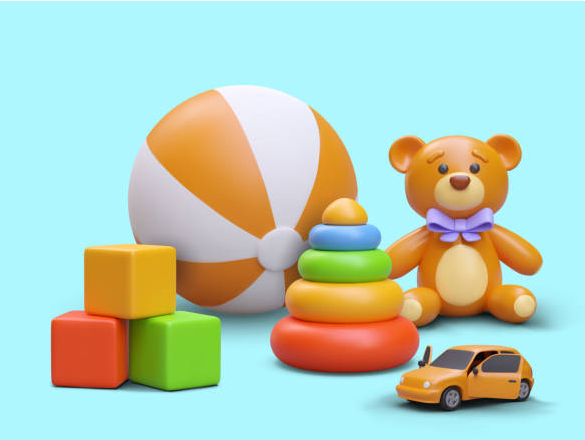
The Alchemy of Play: Design Principles That Make a Toy Enduring
In a marketplace flooded with fleeting fads and gadgetry, certain toys achieve a rare status: they become timeless. Passed down through generations, these objects—a simple set of wooden blocks, a humble doll, a deck of cards—possess a seemingly magical durability. Their appeal transcends marketing budgets, technological trends, and cultural shifts. This longevity is not accidental; it is the result of a subtle alchemy in their design. By analyzing these enduring playthings, we can distill a set of core principles that separate a transient distraction from a perennial companion of childhood.
The foremost principle is open-endedness. A timeless toy does not dictate a single, correct use. It is a tool, not a script. A box of wooden blocks can be a tower, a road, a wall, an abstract sculpture, or a symbol in a story. Clay can become food, animals, vessels, or purely sensory material. These toys possess a low floor (easy to start) and a high ceiling (complex possibilities), allowing them to grow with the child. A two-year-old stacks blocks; a ten-year-old uses the same blocks to engineer a complex bridge. This adaptability ensures the toy remains relevant across developmental stages. In contrast, a highly specific electronic toy with a fixed function often has a short shelf life; once its novelty wears off or its limited script is exhausted, it is abandoned.
Closely linked is the principle of active engagement over passive entertainment. Enduring toys require the child to be the engine of the play. They must imagine, plan, build, and narrate. The toy’s value is not contained within itself but is released through the child’s interaction with it. This fosters creativity, problem-solving, and a sense of agency. The child is the creator, not just a consumer. The satisfaction derived from play is intrinsic—it comes from the process itself, not from external rewards like points or flashing lights. This intrinsic motivation is what makes a child return to the same toy repeatedly, each time finding a new challenge or story.
Durability and tactile quality are also hallmarks. Timeless toys are often made from robust, pleasing materials: solid wood, sturdy fabrics, quality plastics. They feel good in the hand; their weight, texture, and even sound (the clack of wooden blocks) are part of their appeal. They can withstand being dropped, stacked, and loved intensely. This material integrity communicates respect for the child and the act of play. It also ensures the toy can become an heirloom, accumulating history and sentimental value with each generation.
Appropriate simplicity is a key but often overlooked virtue. The best toys do not over-stimulate. They leave room for the imagination to fill in the gaps. A doll with a neutral facial expression can be happy, sad, or sleepy based on the child’s narrative. A simple wooden car suggests rather than dictates its story. This simplicity avoids sensory overload and allows for deeper, more focused play. It is the opposite of the “carnival effect” of some modern toys, which use a barrage of lights and sounds to capture attention but often at the expense of sustained engagement.
Finally, enduring toys frequently facilitate social interaction. They are scalable and shareable. A deck of cards, a ball, a board game, a large set of building bricks—these are inherently social objects. They invite collaboration, competition, and communication. They are platforms for human connection, which is a fundamental and unchanging human need. A toy that brings people together has a lasting power that a solitary screen-based experience cannot match.
The alchemy, therefore, lies in this combination: an open-ended tool that demands active creation, made with integrity from pleasing materials, simple enough to invite the imagination, and conducive to shared experience. These design principles create not just a toy, but a play platform. They prioritize the child’s developmental needs and innate creativity over short-term novelty. In a world of constant change, such toys offer a comforting, enduring constant—a testament to the fact that the deepest forms of play are, and always will be, human-driven, imaginative, and simple at their core.